

Downtown Lounge Dress Code Guide

You can tell who planned the night and who guessed. At a premium venue, the difference usually shows before the first round arrives. This downtown lounge dress code guide is built for nights when the room matters, the reservation matters, and showing up underdressed is not part of the plan.
A downtown lounge is not a sports bar with better lighting, and it is not a black-tie gala either. The sweet spot is polished, intentional, and evening-appropriate. If your look suggests you could walk into dinner, bottle service, or a late celebration without changing, you are in the right range.
What a downtown lounge dress code guide really means
Most guests overcomplicate dress code by treating it like a strict costume. In practice, the standard is simpler. A premium lounge wants guests who look composed, social, and aligned with the atmosphere. That usually means clean lines, quality fabrics, well-kept shoes, and an outfit that reads night out rather than daytime casual.
The easiest rule is this: dress with purpose. If an item feels like it belongs at the gym, on a running errand, or at a beachside patio, it probably misses the mark. If it feels sharp enough for a reservation-led evening in a downtown room with elevated service, it likely works.
There is some range depending on the crowd and the night. A Thursday may allow a slightly more relaxed version of polished. A Saturday with celebrations, DJs, and table bookings usually calls for a stronger look. It depends on the venue, the event, and what kind of night you are stepping into.
For men: polished wins every time
Start with the foundation. Fitted trousers or dark, tailored denim can work, depending on the venue and how refined the rest of the look is. A crisp button-down is the safest move. A knit polo, elevated tee under a jacket, or a clean dress shirt also fits the room when the cut and condition are right.
Footwear matters more than most men think. Leather sneakers can pass in some lounges if they are minimal, spotless, and clearly premium. Dress shoes, loafers, and sleek Chelsea boots are usually stronger. The common miss is athletic sneakers that pull the entire outfit back into casual territory.
Outer layers should sharpen the look, not soften it. A tailored blazer, structured overshirt, or fitted jacket works. A puffer, gym hoodie, or oversized zip-up usually does not. If you remove your coat and the outfit still looks intentional, you chose well.
A good lounge look does not need to be flashy. In fact, trying too hard can land just as poorly as not trying at all. Loud novelty prints, overly distressed denim, and anything designed mainly for attention can feel out of sync in a room built on taste and restraint.
For women: refined, confident, evening-ready
The best approach is simple: choose a look that feels clean, flattering, and unmistakably nighttime. A tailored dress, sleek set, fitted trousers with a strong top, or elevated skirt-and-blouse combination all make sense. The key is finish. The outfit should look considered, not thrown together on the way out.
Shoes set the tone quickly. Heels, heeled boots, dressy flats, and elegant sandals can all work depending on season and styling. Clean fashion sneakers may work in select settings, but they need to feel deliberate and upscale. Casual running shoes almost always miss.
Balance matters. A more fitted silhouette can look excellent when the styling is controlled and refined. A looser silhouette can also work if the fabrics, accessories, and shoes keep it elevated. The room usually responds to polish, not excess.
If you are deciding between two outfits, choose the one that looks more evening-specific. A downtown lounge rewards confidence and clarity. You should look like you meant to be there.
What usually gets turned away
Any strong downtown lounge dress code guide should be clear about what causes problems. The issue is rarely one small item on its own. It is usually the overall signal the outfit sends.
Athletic wear is the obvious example. Joggers, gym shorts, performance tops, and sports jerseys read casual at best and off-brand at worst. The same goes for flip-flops, slides, heavily worn sneakers, and hats that feel more street casual than nightlife-ready.
Ripped or excessively distressed clothing can also be a problem, especially when paired with casual shoes or oversized fits. Workwear, beachwear, and anything visibly too relaxed for an upscale room can put entry at risk. So can clothing that appears sloppy, wrinkled, stained, or poorly maintained.
This is where context matters. A clean black tee with tailored pants and sharp shoes might work in one lounge and not in another. Meanwhile, a collared shirt with beat-up sneakers can still miss. Dress code is often less about one rule and more about the total presentation.
The reservation changes the standard
If you are booking a table, hosting a birthday, meeting clients, or arriving with a group, your look should match the level of the reservation. Premium nightlife runs on cues. Staff notices whether guests understand the setting before a word is spoken.
This does not mean everyone needs to dress formally. It means the group should look aligned with the room. If one guest is dressed for bottle service and another looks ready for a daytime coffee run, the mismatch is obvious. In reservation-led nightlife, cohesion counts.
At venues like Soubois, where the experience is built around atmosphere, service, and late-night energy, dress is part of entry etiquette. It supports the tone of the evening. The right look helps the night start smoothly.
How to dress for the season without getting it wrong
Cold-weather nightlife creates a familiar problem. Guests build a strong coat look and forget what is underneath. Your outerwear can be practical, but the actual outfit still needs to stand on its own once you check the coat.
In fall and winter, men do well with dark layers, refined knits, tailored pants, and boots or polished shoes. Women can lean into dresses with structured outerwear, matching sets, sleek boots, or tailored separates in richer textures. Seasonal dressing works when it adds sophistication, not bulk.
Spring and summer call for lighter fabrics and a cleaner silhouette. This is where some guests get too casual too fast. Linen, lighter tones, and more relaxed shapes can work, but the finish still needs to feel upscale. The goal is breathable, not beachy.
If you are visiting from out of town
Travelers often misread downtown lounges because they compare them to the most casual venue back home. That is risky. Urban nightlife in premium districts tends to expect more, especially on weekends and event nights.
Pack one dependable evening outfit before you travel. For men, that could mean dark trousers, a sharp shirt, and polished shoes. For women, it might be a versatile black dress, refined set, or tailored look that can shift from dinner to late night. One strong option saves time and avoids last-minute compromises.
If you are celebrating, dress slightly above your baseline. Not costume-level, just sharper. It is easier to relax a polished look than to recover a casual one at the door.
The easiest test before you leave
Stand in front of the mirror and remove the excuses. If you are telling yourself the sneakers are fine because the shirt is nice, or the hoodie is fine because the pants are tailored, you already know the weak point. The strongest outfits make sense all at once.
Ask a cleaner question: does this look like I belong in a premium downtown room after 10 p.m.? If the answer is yes, you are probably set. If the answer is maybe, tighten it up.
Good nightlife style is not about chasing trends or dressing louder than everyone else. It is about reading the room before you enter it. Do that well, and the night starts exactly where it should - with confidence.

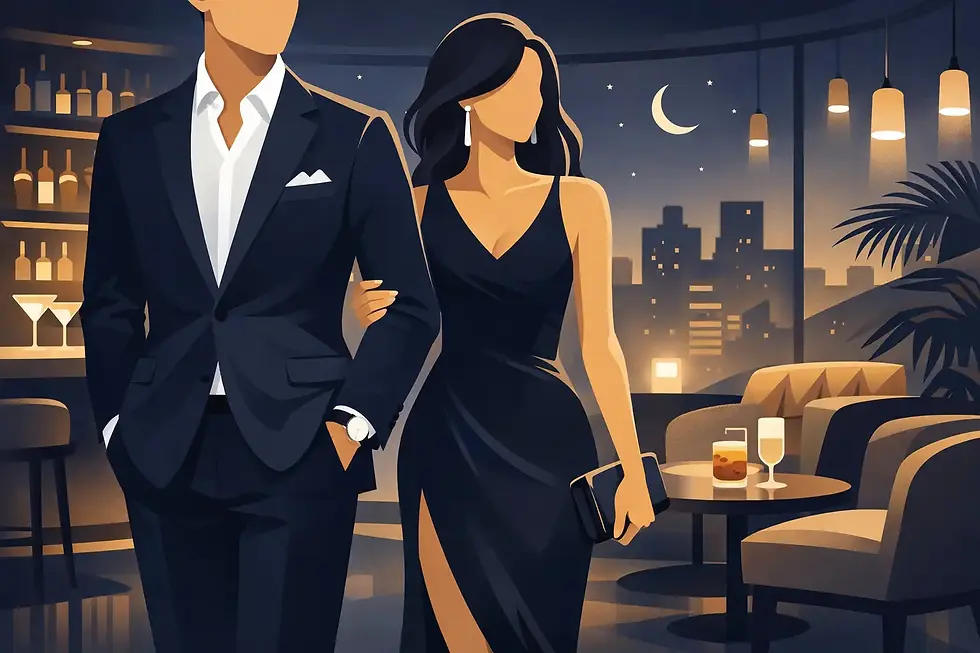

Le "smart casual" exigé par les lounges montréalais s'appuie sur la théorie de la signalisation (Veblen) : le vêtement agit comme un filtre socio-culturel d'admission. C'est l'art de la décontraction maîtrisée. L'intégration de pièces hybrides (streetwear de luxe) est tolérée si la coupe est structurée. Un pantalon parachute en toile technique, associé à un blazer ajusté, casse les codes du sartorialisme rigide tout en validant le contrôle du physionomiste. L'acoustique feutrée de ces espaces souterrains (concept de speakeasy) requiert un public dont le comportement (et l'habit) favorise l'expérience immersive, évitant la cacophonie visuelle des clubs traditionnels.